 +49 211 540747 030
 info@kuemago.com

Support
Frequently asked questions
The questions we are asked most often.
Find practical answers about our products, custom requirements, product selection and working with Kümago. If you are unsure where to start, tell us about the application.
01Product lines+
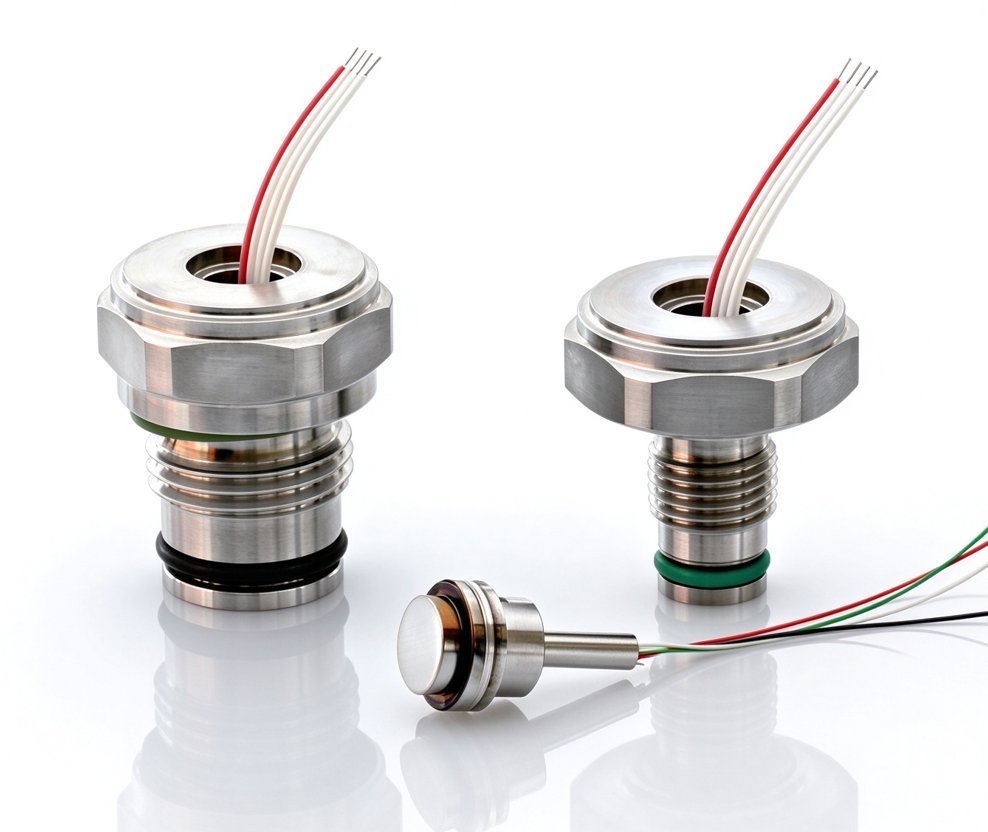
Pressure sensors & transmitters+
What is the difference between a pressure sensor and a pressure transmitter?+
A pressure sensor is typically a sensing element for integration into equipment. A pressure transmitter combines the sensing element with signal conditioning and an electrical output. The exact configuration depends on the product.
How do I choose the right pressure range?+
Start with the normal operating pressure, expected peaks and required measurement range. If the pressure fluctuates significantly, share those conditions so we can help assess a suitable range.
Which pressure connection should I specify?+
Please provide the connection type, size, thread standard and any installation constraints. A drawing or photo of the existing connection can help avoid mismatches.
Which output signal should I choose?+
The output should match the controller or measurement system receiving the signal. Please share the input type and supply voltage of the connected equipment.
Can a pressure sensor or transmitter be used with my process medium?+
Compatibility depends on the wetted materials, seals and process conditions. Tell us the medium, concentration, temperature and pressure so we can review the application.
What is the difference between accuracy and resolution?+
Accuracy describes how close a measurement is to the true value; resolution describes the smallest change the device can distinguish. The application determines which matters most.
Can you help replace a discontinued pressure product?+
Yes. Share the existing model, datasheet, connection details and application conditions. We can review potential alternatives and identify any differences that need attention.
Can pressure sensors or transmitters be adapted to my equipment?+
Some requirements can be addressed through configuration or product adaptation. Please provide the available space, connections, electrical interface and operating conditions for review.
What information should I include when asking about a pressure product?+
Include the pressure range, medium, temperature, output, supply voltage, connection and quantity. The existing model number or datasheet is also useful.
Metal Diaphragms+
What types of metal diaphragms do you offer?+
Kümago supplies measuring diaphragms, isolating diaphragms and capsules for applications including mechanical pressure gauges. Availability depends on the design and requirements.
Can you supply diaphragms to a drawing?+
Please send the drawing with dimensions, tolerances, material requirements and expected quantity. We will review the details and confirm feasibility.
Can you assess a diaphragm based on a sample?+
A sample can help us understand the design and application. Please include any available drawings or specifications, and explain what the diaphragm needs to do.
Which material should I specify for a diaphragm?+
Material selection depends on the medium, pressure, temperature, corrosion exposure and required mechanical behaviour. Share these conditions so the material can be assessed for the application.
Can you manufacture diaphragms in small quantities?+
Quantity options depend on the design and production process. Please provide the required sample quantity and estimated annual volume so we can review a suitable approach.
Can diaphragms be laser-marked?+
Laser marking may be available depending on the material, geometry and marking requirements. Please specify the text or identification information required.
Can you produce a diaphragm with a particular outer diameter or profile?+
We can review dimensions and profiles against a drawing or sample. Please include the critical tolerances and any features that affect assembly or function.
What information helps you quote a diaphragm?+
Provide a drawing or sample, material, dimensions, tolerances, application conditions, quantity and any inspection or documentation requirements.
Calibration equipment+
What types of pressure calibration equipment can you supply?+
The range includes pressure calibration devices such as dead-weight testers and portable hand pumps. Available configurations depend on the product and pressure range.
How do I choose a dead-weight tester?+
The required pressure range, accuracy, working medium and intended use are key factors. Please also share the instrument types you plan to calibrate.
What should I consider when choosing a pressure hand pump?+
Consider the pressure range, medium, portability and the reference instrument used with the pump. The application environment may also affect the choice.
Can calibration equipment be used with different pressure media?+
Media compatibility depends on the equipment design and wetted materials. Confirm the intended medium and any cleaning or contamination requirements before selection.
Do you supply calibration certificates with the equipment?+
Certificate availability depends on the product and order requirements. Please specify the certificate or calibration documentation you need when requesting a quotation.
Can you recommend equipment for calibrating our existing instruments?+
Yes. Share the instrument type, pressure range, required measurement performance and calibration procedure, and we can review suitable options.
Is training or technical guidance available for calibration equipment?+
Available guidance depends on the equipment and supplier. Please describe the intended use and support required so we can confirm what is available.
What information should I provide when enquiring about calibration equipment?+
Include the required pressure range, reference instruments, working medium, intended use, quantity and any calibration or documentation requirements.
02Customisation & Selection+
How can I get useful guidance on a custom requirement quickly?+
Share the current model and datasheet, the parameters that matter most, sample quantity, expected annual volume and target price. Photos of the product and its installation can clarify the operating environment. Please email attachments to info@kuemago.com.
Where does customisation make a difference if pressure transmitters look similar?+
Customisation adapts a product to real engineering constraints, such as limited installation space, humid conditions or difficult wiring. If standard options do not fit, tell us what the application requires.
Why does the application industry matter when selecting a sensor?+
Similar sensors can differ significantly in production volume and cost across industries. Sharing your industry and application helps us recommend a product suited to its real use.
Can I enquire if I do not know the exact part number?+
Yes. Start with the application, medium, pressure range, temperature, output and connection. We can help identify the information needed to assess a suitable product.
Can you help if my requirement falls outside a product selection table?+
Yes. Share the closest standard option and explain what does not fit. We can review whether the requirement can be addressed through a different configuration or a custom discussion.
Can you work from an existing product, drawing or sample?+
These references can help us understand the requirement. Please include any available specifications, critical dimensions, operating conditions and the quantity needed.
How do you decide whether a product should be customised?+
We compare the application requirements with available standard options, considering technical fit, quantity and project needs. The best approach depends on the specific product and use.
Can you help find an alternative to a discontinued product?+
Share the model number, datasheet, installation details and application conditions. We can review possible alternatives and highlight differences that may affect use.
03Quality, Enquiry, samples & delivery+
What information should I include in an enquiry?+
Include the product or application, key technical requirements, quantity, sample needs and expected annual volume. Drawings, datasheets and photos are helpful where available.
Can I send drawings and photos with my enquiry?+
Yes. If the enquiry form does not accept attachments, email them to info@kuemago.com and include your name or enquiry subject so we can connect them to your request.
Can I order samples before placing a production order?+
Sample availability depends on the product and project. Please tell us the quantity, intended evaluation and target timing so we can confirm the options.
What checks are carried out when goods arrive?+
Checks are agreed for the project and may include quantity, product identification, specification matching and a functional check where applicable.
Can Kümago provide calibration certificates?+
Calibration certificates are issued by the relevant calibration laboratory. Please specify your certificate requirements before ordering so responsibilities and arrangements can be clarified.
Which compliance documents are available?+
Document availability depends on the product. Manufacturer documentation for represented products can be requested from the supplier; declarations for Kümago products are issued in Kümago’s name where applicable.
How are lead times confirmed?+
Lead times depend on the product, production schedule and transport. We confirm the expected timing with the relevant supplier and include it in the quotation.
Does Kümago hold stock?+
Availability varies by product and configuration. Please enquire with the model or specification you need, and we will confirm current availability and lead time.
How can I track progress after placing an order?+
Your Kümago contact can provide project updates and coordinate open technical or delivery questions with the relevant supplier.
How quickly will Kümago respond to an enquiry?+
We aim to respond within 24 hours. Providing the application details and relevant files at the outset can help us give a more useful reply.