 +49 211 540747 030
 info@kuemago.com

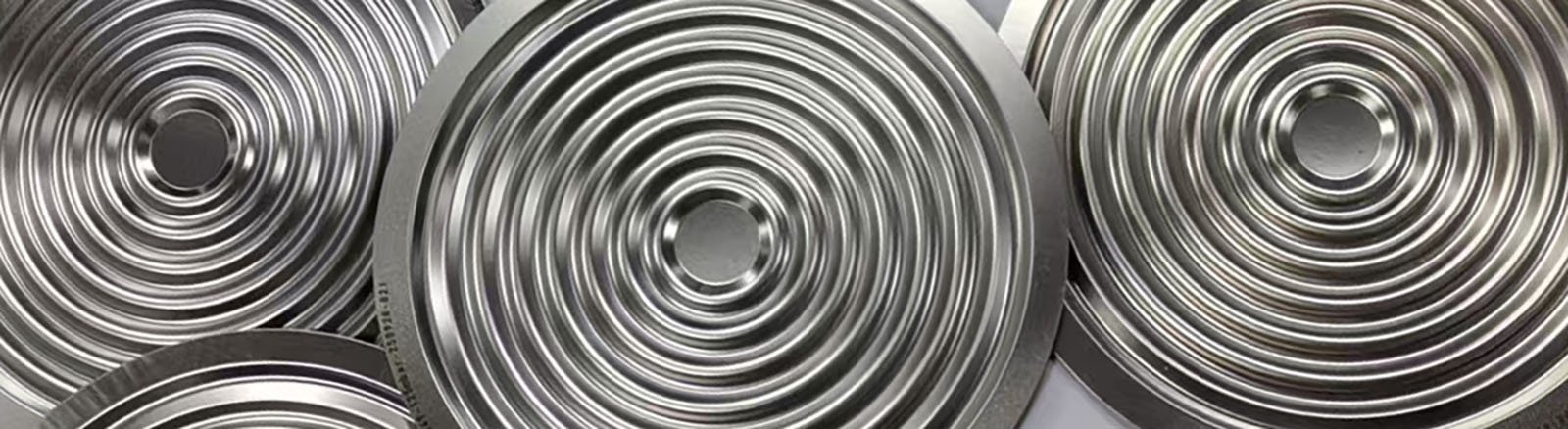
Diaphragms
Diaphragms defined by the application
Measuring, isolating and custom metal diaphragms engineered around pressure, medium and installation requirements.
Showing all 4 resultsSorted by latest
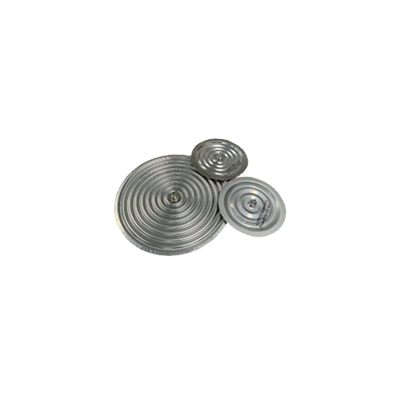
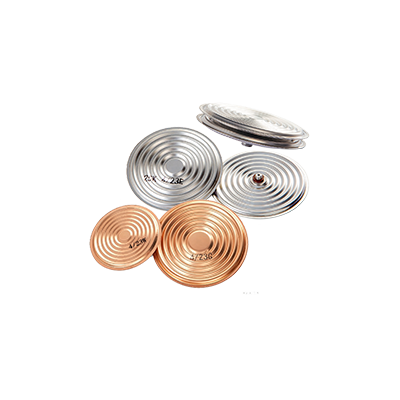
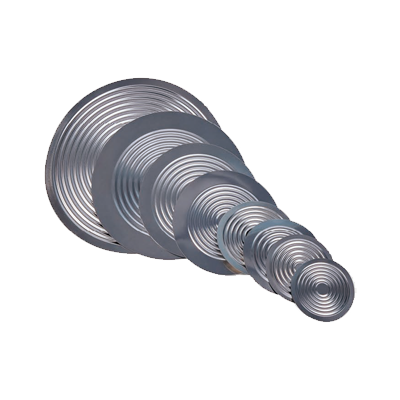
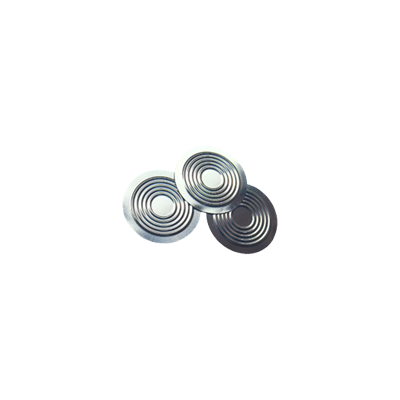
Sensor Diaphragms for Pressure Measurement and Isolation
Sensor diaphragms are precision elastic components used in pressure sensors, transmitters and mechanical pressure gauges. Depending on the application, they function either as the primary pressure-sensitive element or as an isolation barrier between the measured medium and the sensing element.
Their mechanical properties – such as linearity, repeatability, surface flatness and internal stress – have a direct impact on measurement accuracy and long-term stability. Sensor diaphragms are widely used in industrial instrumentation, process automation and MEMS-based pressure sensor designs.
Diaphragm types at a glance
- Diaphragm capsule (GBD-GTD-GDD) – a precision sensing element for low-pressure and vacuum gauges, hermetically sealed and available in several materials with standard diameters from 38 to 114 mm. Go to the diaphragm capsule
- Isolation diaphragm for pressure sensors (GCD) – an exceptionally flat, low-stress diaphragm with uniform axial elasticity for oil-filled MEMS pressure sensors. Go to the GCD isolation diaphragm
- Isolation diaphragm for diaphragm seals (GFD) – a precision-formed, corrosion-resistant diaphragm in 30+ standard sizes, designed for welded assembly in diaphragm seals. Go to the GFD diaphragm
- Spring diaphragm for pressure gauges (GSD) – a core elastic sensing element with excellent bidirectional linearity, offered in 68 mm, 75 mm and 130 mm for pressure ranges from 10 mbar to 16 bar. Go to the GSD spring diaphragm
Materials compared
- 316L stainless steel – the standard material for most industrial applications; corrosion-resistant and easy to weld.
- Titanium – for aggressive media and applications requiring high corrosion resistance at low weight.
- Phosphor bronze – for diaphragm capsules and spring diaphragms needing high elasticity and fine graduation in the low-pressure range.
- Special materials – custom alloys for specific media, temperatures or cleanliness requirements.
Mechanical properties and their effect on accuracy
- Linearity – determines how proportionally the deflection follows the applied pressure; decisive for accuracy across the full range.
- Repeatability – the spread when the same pressure is applied repeatedly.
- Flatness – a surface as plane as possible without waviness, important for a tight and reproducible installation.
- Low residual stress – reduces warping from forming stress and minimises hysteresis.
- Heat treatment – stress-controlled heat treatment stabilises the spring properties over the service life.
Typical applications
- Sensing elements in mechanical pressure gauges
- Media isolation in oil-filled MEMS pressure sensors and transmitters
- Diaphragm seals and isolation diaphragm assemblies for aggressive or viscous media
- Low-pressure and vacuum measurement
- Hygienic and flush measuring points in cleaning-intensive processes
Frequently asked questions about sensor diaphragms
- What is a metal diaphragm? A thin, elastic metal foil that deflects in a defined way under pressure and serves as a measuring or isolation element. Materials such as 316L stainless steel or titanium make it corrosion-resistant and long-term stable.
- When do you need a flush diaphragm? As soon as viscous, crystallising or particle-laden media are involved, or the measuring point must be cleaned hygienically. A flush diaphragm prevents dead spaces and build-up.
- What is the difference between an isolation diaphragm and a diaphragm seal diaphragm? Both separate the medium from the sensitive sensing element. The isolation diaphragm sits directly inside oil-filled MEMS pressure sensors, while the diaphragm seal diaphragm is used in the seal itself and is usually welded in place.
- What is the difference between a diaphragm capsule and a spring diaphragm? A diaphragm capsule consists of two welded diaphragm discs and is used mainly for low-pressure and vacuum measurement; a spring diaphragm, by contrast, is a core elastic sensing element with particularly good bidirectional linearity.
- How do you select the right sensor diaphragm? What matters is the pressure range, material and media compatibility, the required diameter, the type of mounting (welding or insertion) and the required accuracy and repeatability.