 +49 211 540747 030
 info@kuemago.com


Pressure
Showing 1–12 of 70 resultsSorted by latest
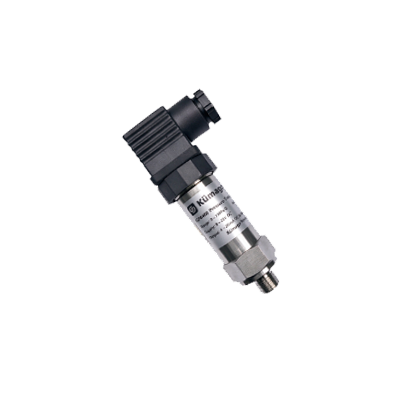
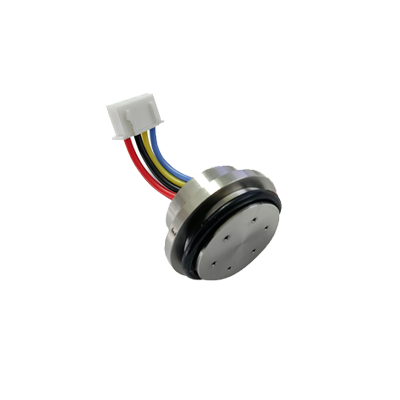
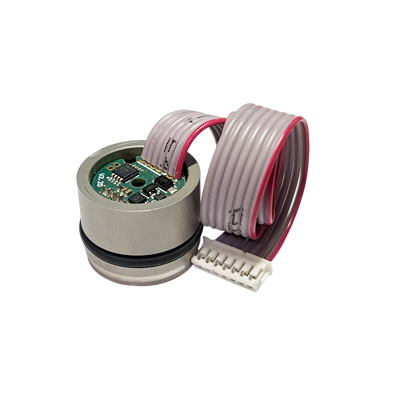
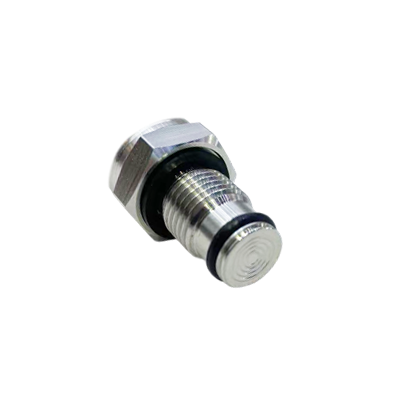
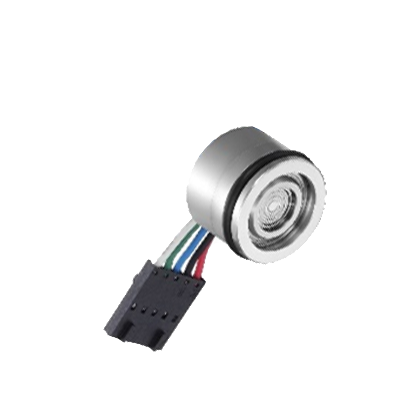
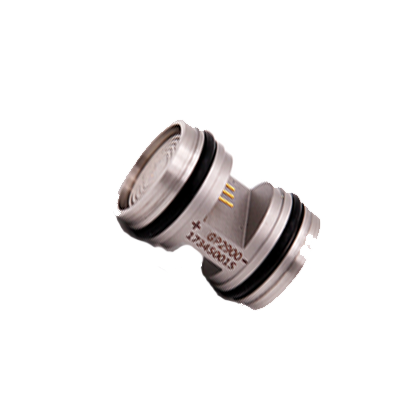
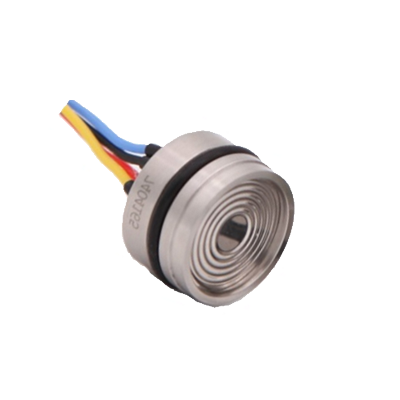
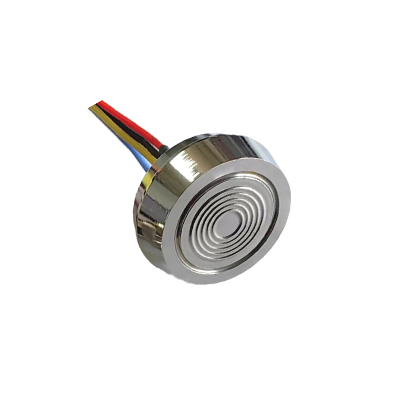


Pressure Sensors for Industrial Measurement and Control
Pressure sensors in this category are designed to measure gas and liquid pressure in industrial systems. Depending on the application, different sensing principles, pressure ranges, accuracies, interfaces and materials are required to ensure reliable and stable measurement results.
Pressure measurement plays a critical role in automation lines, industrial control systems, mechanical equipment and HVAC installations. Proper sensor selection depends on the operating pressure range, media compatibility, environmental conditions and long-term stability requirements. There is no universal solution – only the most suitable sensor for each specific application.
Industrial grade or consumer grade?
The category is split into two product groups that differ mainly in construction, materials and operating environment:
- Industrial grade – pressure transmitters and sensors with stainless steel or ceramic housings, high overload resistance and standardised outputs (4–20 mA, 0–10 V, IO-Link) for demanding process environments. Go to Industrial grade
- Consumer grade – compact MEMS pressure sensors (SMD and DIP packages) for series integration into devices, typically covering 0–200 kPa up to 2.5 MPa. Go to Consumer grade
Pressure sensing principles
- Piezoresistive MEMS sensor – silicon sensing element with good sensitivity and a small footprint; the basis for compact pressure sensors and cost-effective OEM solutions.
- Capacitive ceramic sensor – dry ceramic measuring cell, resistant to aggressive media and high pressure overload; ideal for industrial duty.
- Thin-film strain gauge – metal thin-film strain gauges on a stainless steel diaphragm for the highest accuracy and long-term stability, common in pressure transmitters.
- Piezoelectric sensor – for fast-changing, dynamic pressures (e.g. in hydraulics, injection and combustion systems).
- Dynamic-static sensor – combines static accuracy with dynamic bandwidth for testing and calibration tasks.
Output signals and interfaces
- mV output – raw bridge signal from the sensing cell, for your own signal conditioning.
- Ratiometric 0.5–4.5 V – analogue voltage output proportional to the supply voltage.
- 4–20 mA – current-loop industrial signal with high noise immunity over long cables.
- 0–10 V – standardised voltage output for controllers and regulators.
- I²C / RS485 – digital bus signals for compact devices and OEM series.
- IO-Link – fully digital communication including parameterisation, diagnostics and process data.
Key product families
- GP series (industrial grade) – from GP-1100 through GP-1900 To-8 and GP-2610 to GP-6251-1/-2/-3; available as precision and high-accuracy transmitters, digital versions or hygienic variants.
- XGZP series (consumer grade) – compact MEMS pressure sensors in SMD and DIP packages for OEM series, with absolute, differential and gauge versions.
- PID-4100 – dynamic-static pressure sensor for high-bandwidth testing and measurement tasks.
- CWY300 – digital pressure calibrator for calibrating and verifying pressure transmitters.
Selection criteria for the right pressure sensor
- Pressure type – absolute, gauge or differential.
- Measuring range – with adequate overload headroom, e.g. 0–0.35 MPa up to 70 MPa in the industrial segment.
- Media and connection – flush or hygienic versions for viscous, particle-laden or cleaning-intensive media.
- Process temperature – hot media require high-temperature versions with an isolation diaphragm or cooling extension.
- Accuracy – precision or high-accuracy version depending on the measurement task.
- Environment and ingress protection – stainless steel housing and sealed connectors for harsh conditions.
Typical applications
- Hydraulic and pneumatic monitoring
- Process and plant pressure in chemical and petrochemical industries
- Level and flow measurement via differential pressure
- Food and pharmaceutical production (hygienic version)
- Water and wastewater technology
- Test benches, calibration and OEM series products
Frequently asked questions about pressure sensors
- Which pressure sensors suit automation technology? For automation tasks, pressure transmitters with a 4–20 mA, 0–10 V or IO-Link output, stainless steel housing and high overload resistance are the best fit. For high volumes built directly into devices, compact MEMS sensors in SMD packages are the more economical choice.
- When do you need a flush diaphragm pressure sensor? Whenever viscous, crystallising or particle-laden media are involved, or the measuring point must be cleaned hygienically. A flush diaphragm avoids dead spaces and clogging.
- What is an OEM pressure sensor? A sensor designed for series integration without its own display, often an SMD or DIP component with mV, ratiometric or I²C output, built directly into a customer’s device.
- What is the difference between a pressure sensor and a pressure transmitter? A pressure sensor delivers a raw signal (e.g. mV or I²C). A pressure transmitter converts the reading into a standardised industrial signal such as 4–20 mA or 0–10 V and connects directly to controllers.
- What is a high-temperature pressure sensor? A design for hot media: the diaphragm is separated from the sensitive sensing cell by an isolation diaphragm assembly or a cooling extension, keeping the electronics within their permitted temperature range.
- How are pressure transmitters calibrated? With a pressure calibrator such as the CWY300: apply a reference pressure, adjust the output signal and document the deviation.