 +49 211 540747 030
 info@kuemago.com

Pressure Cycling Systems
Test pressure endurance over repeated cycles
Pressure cycling systems for evaluating the long-term performance of components and assemblies.
Showing all 6 resultsSorted by latest
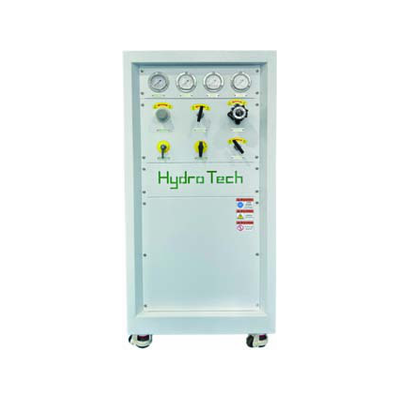
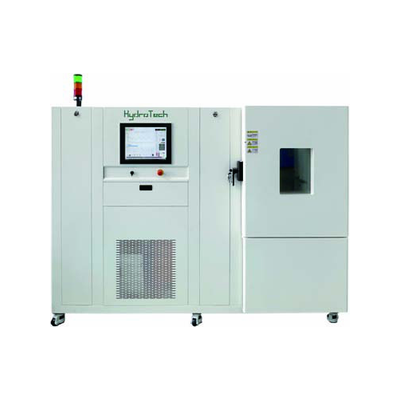
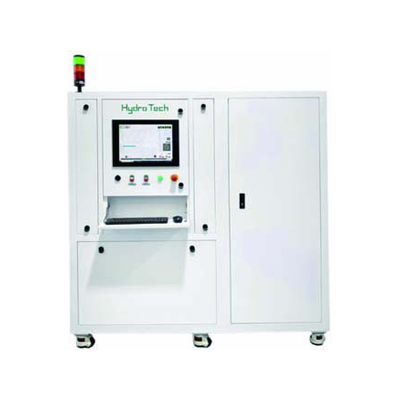
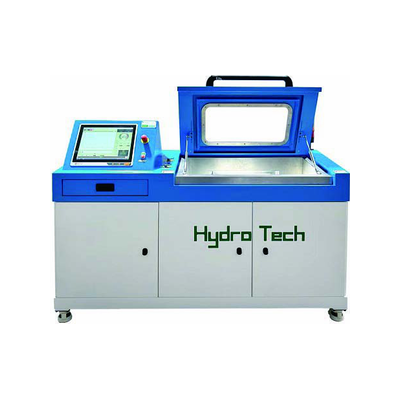
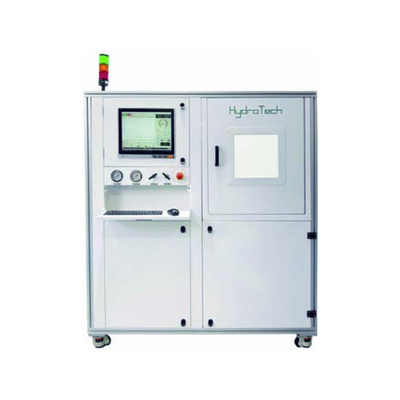
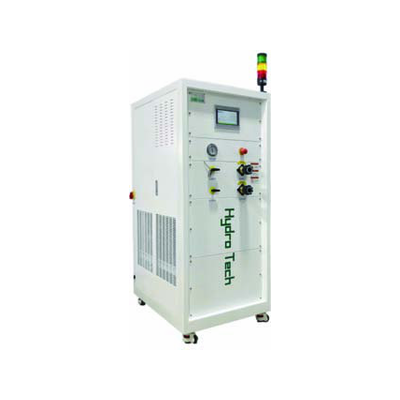
Pressure cycling systems for durability and fatigue testing
A pressure cycling system applies defined pressure cycles to sensors, transmitters, gauges and pressure-bearing components. What a part really does shows up only under repeated load: zero drift, hysteresis, leak rate and service life all change with the number of cycles – not in a single test run.
Pneumatic systems run on compressed air or nitrogen up to 40 bar. They are fast, dry and free of media changes, which suits sensors, pressure switches and smaller parts. Hydraulic systems reach 60 MPa and test gauges, diaphragm seals, tubing and valves where high loads and long service life matter.
Pressure and temperature at the same time require a chamber: the HT-HC combines 1 to 40 MPa with −70 to +180 °C, so the pressure profile and the temperature profile end up in one report.
What matters when specifying
Five answers fix the configuration:
- pressure range and medium – air, water, oil or nitrogen
- volume of the part and of the fixture
- required cycle count and frequency
- permitted switching time between pressure levels
- whether measured data has to be recorded in an audit-ready way
From those it follows whether a compact bench unit is enough or a two-channel test bench makes sense. Tell us these five points and we propose the configuration – including test protocol and acceptance test.