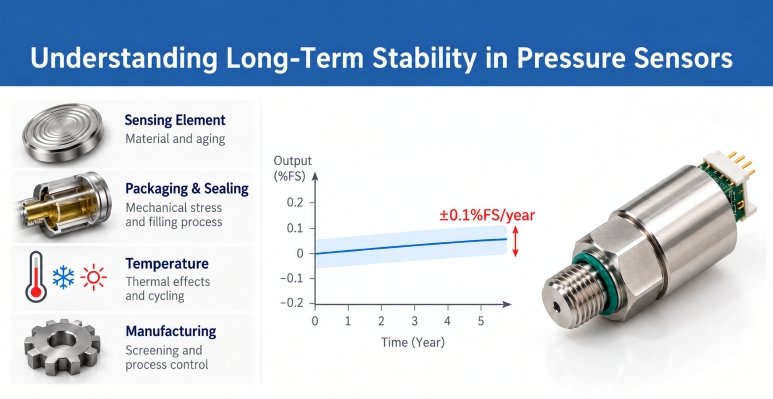
Long-term stability is not simply a number on a datasheet.
Why %FS/year does not tell the whole story
When selecting a pressure sensor, engineers often compare a specification such as: Long-term stability: ±0.1%FS/year
But what does this number actually mean? For a 1 MPa pressure sensor, ±0.1%FS corresponds to ±1 kPa. It is tempting to interpret this as the amount by which the sensor will drift after exactly one year. In reality, long-term stability is more complicated.
Stability is more than time
Pressure sensor drift is influenced by many factors, including:
- Sensing element characteristics
- Mechanical stress and stress relaxation
- Packaging and diaphragm structure
- Sealing and filling processes
- Temperature exposure
- Pressure loading
- Manufacturing processes
This is particularly relevant for MEMS-based and oil-filled pressure sensors, where mechanical and packaging effects can contribute significantly to long-term drift. Therefore, simply asking “How long was the sensor tested?” is not enough. The test conditions and evaluation method are equally important.
Screening can improve consistency
Long-term stability cannot always be evaluated through a practical one-year test for every production batch. Instead, manufacturers can use process controls and shorter-term screening to identify potentially unstable sensing elements. For example, monitoring zero-output drift over a defined period can help detect abnormal behavior caused by mechanical or manufacturing-related effects. However, a short-term screening test should not be confused with a one-year stability test. They serve different purposes.
A tighter requirement needs a qualification process
Suppose an application requires stability better than 0.05%FS/year. Simply changing the datasheet from 0.1% to 0.05% does not make the sensor more stable. A meaningful tighter requirement should be supported by additional screening, process controls and, ideally, an agreed qualification method under representative application conditions. This is why we believe long-term stability should be treated as a qualification topic, rather than just another number for comparing datasheets.
Our approach
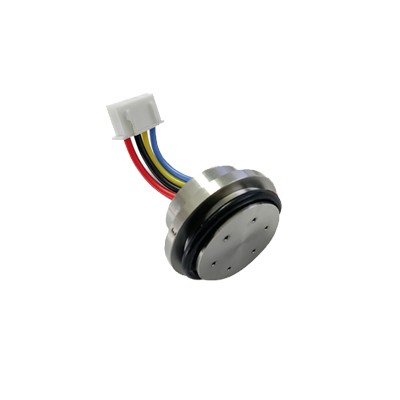
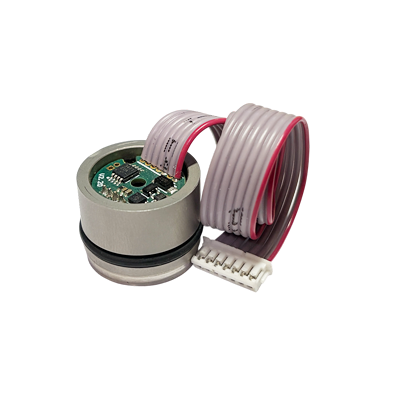
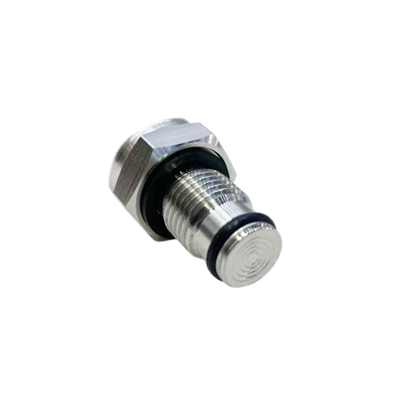
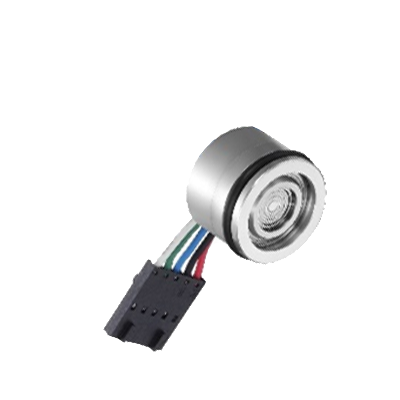
The standard long-term stability specification of the Kümago GP-2710 Intelligent Pressure Sensor is ±0.1%FS/year. For applications with more demanding requirements, additional stability screening and project-specific qualification can be introduced. For example, a target of better than 0.05%FS/year can be evaluated under mutually agreed conditions.
The key question is therefore not simply:
“What is the long-term stability?” but rather: “How is stability defined, what influences it, and how is it controlled and verified?”
For embedded pressure measurement systems, this distinction can make a significant difference when selecting the right sensing core for long-term reliability.
 +49 211 540747 030
 info@kuemago.com